
Planting onions to save your greens and cabbage
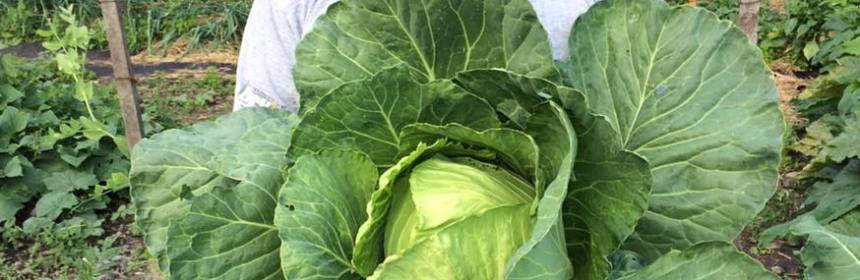

For years we grew cabbage and other greens in our garden, but we always ended up with the same result. All of our cabbage and greens would be riddled with worm holes. It was always so disappointing to remove the outer leaves of a cabbage to find it full of holes, or pick a bunch of spinach, lettuce, or kale that looked like Swiss cheese. We set out to find an answer that didn’t include pesticides. After a lot of research we were no closer to an answer. Finally one day after reading about homesteaders from the 1800’s, we found the answer was onions. As it turns out many of the bugs that like greens, don’t like onions. We decided to try it, what did we have to lose? We planted onion sets in between our greens. It was also fortuitous that both greens and onions needed to be planted in cool weather.


In the above picture you can see how we planted in this case along side kale. After a month it became apparent, that the old timers really knew what they were doing. It’s hard to imagine how much of their knowledge has been lost, but we are happy to have been able to preserve this small piece of knowledge, and pass it down to our children who we hope will always plant onions with their greens. The onions didn’t totally eliminate the problem, but they were 90% effective, and we are willing to give up the 10% to keep pesticides out of our garden. This approach is not only better for us but also for our bees. It is hard to argue with the results.
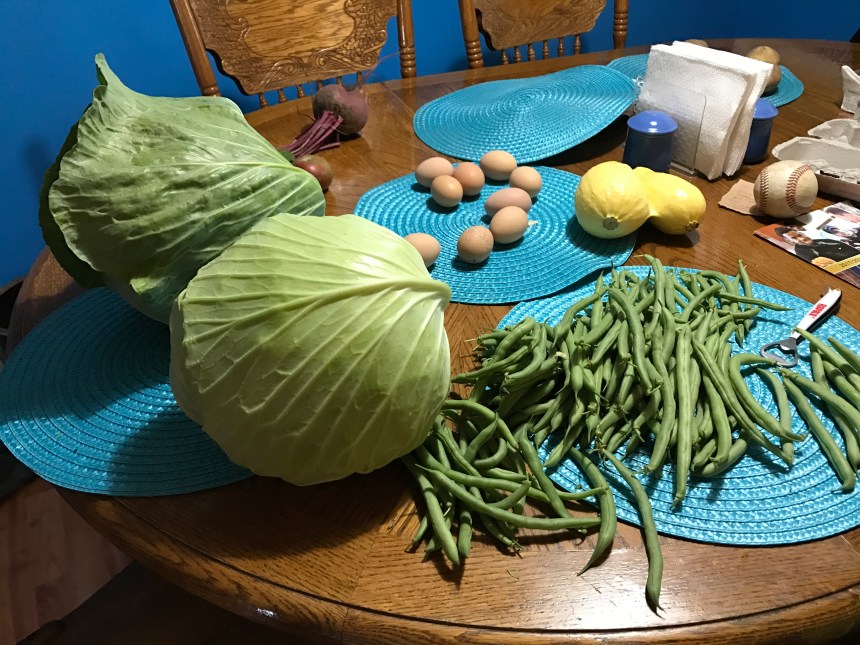
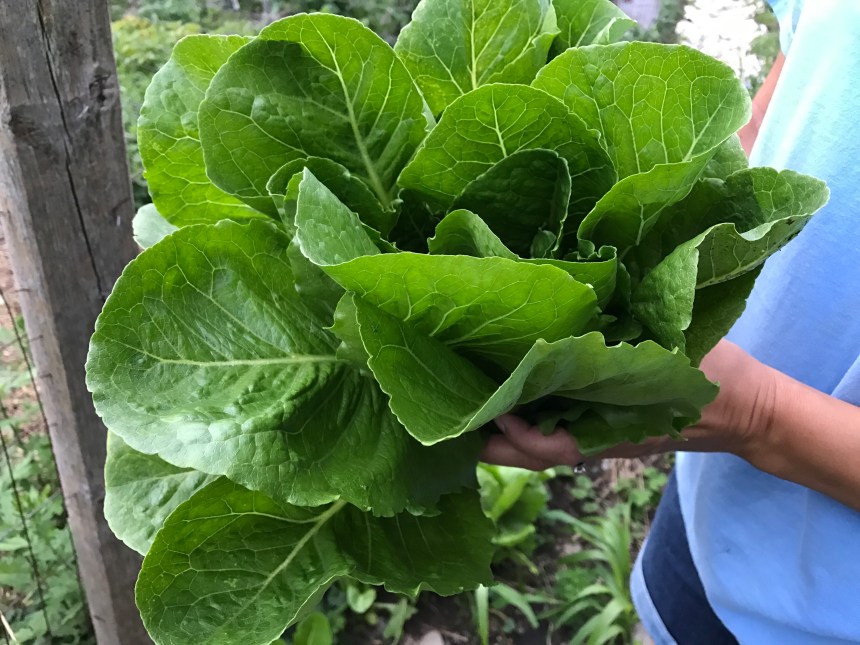
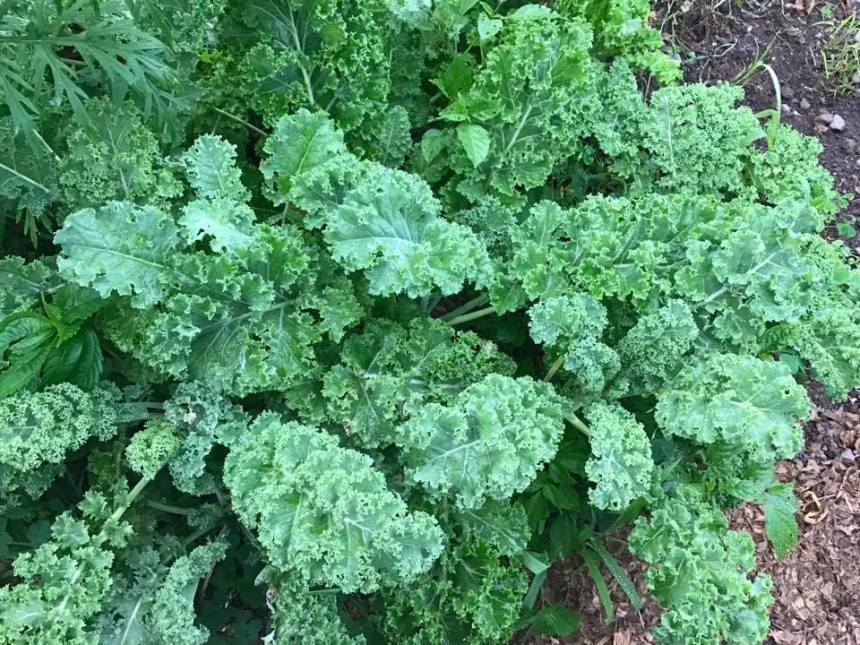
We were so happy to have these amazing vegetables, and feel safe giving them to our family knowing that they are pesticide free.
Harvesting onions
After harvesting the greens there is an added bonus, beautiful onions. Onions are harvested in mid summer normally in our area. We wait for the onions to tell us when they are ready to be harvested. When onions are finished growing for the year, their tops will fall over.
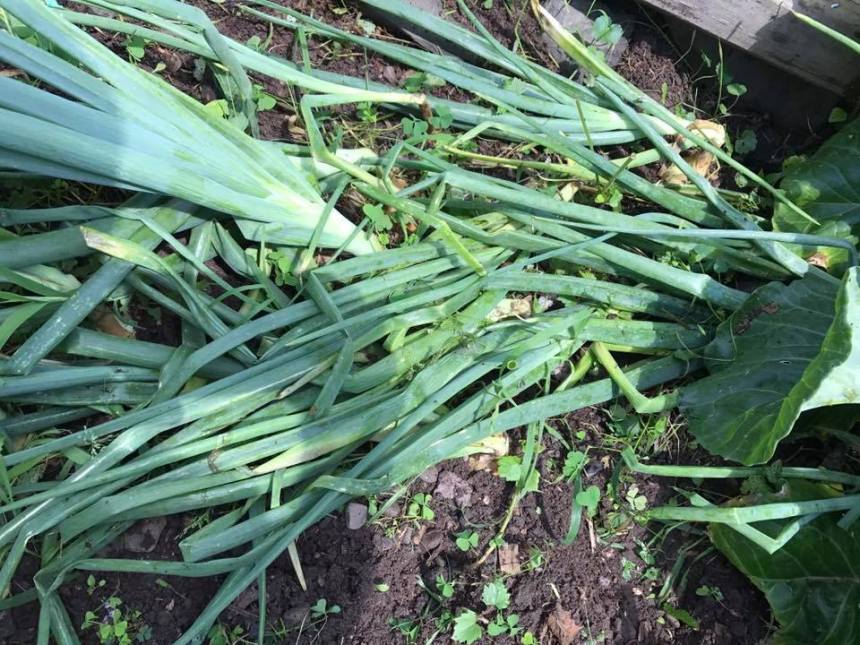
After this happens we pull the onions and lay them out in the sun to cure. Curing onions properly allows us to have onions well into the winter. Different varieties keep better than others. In our experience yellow onions keep better than white or red.
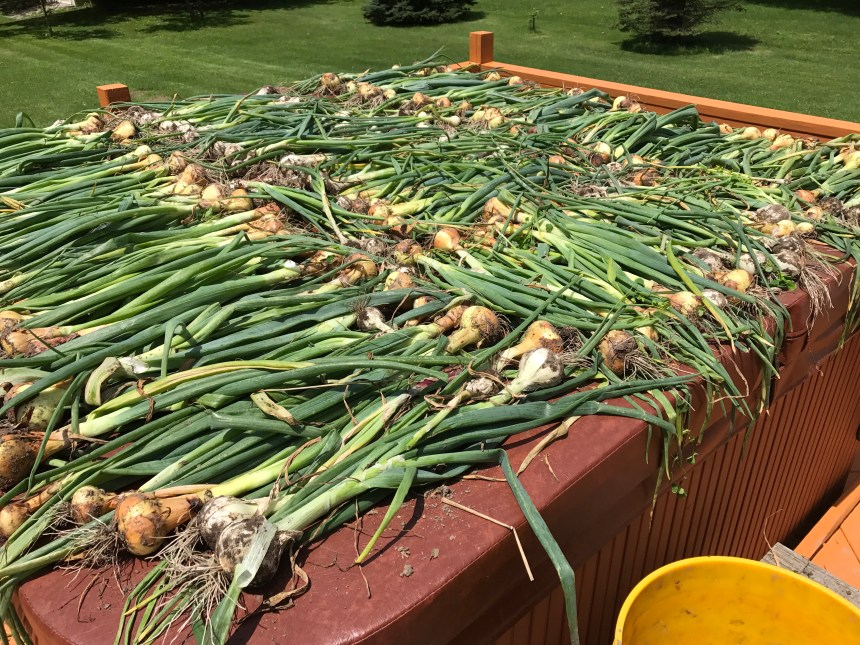
After the dirt on the onions dries, and the tops wilt, we move them to a covered location to continue drying. We put them onto wire mesh to allow air to circulate around the whole onion. This keeps them from growing mold and rotting.

Once the onions have dried, and their skins are like paper, they can be stored in an onion bag. We like to hang ours to encourage air circulation. Any onions with and bruises or blemishes should not be stored, we take these onions and dice them. Once they are diced they can be frozen. Cutting up 30 or 40 onions can make you cry, so try swim goggles while dicing. The diced onions are great when you are pressed for time when cooking.
Growing food like anything else in life it takes time and experience to learn. Because of this we always seek the advice of people who have done it before. In this case we would be remiss if we didn’t thank those tough old homesteaders who plowed the ground before us and showed us the way. Sometimes in life and gardening you need to take a step back to move forward. In an age of quick fixes and a chemical for every problem, all we really needed to do was look back to how our forefathers did things to find a solution. 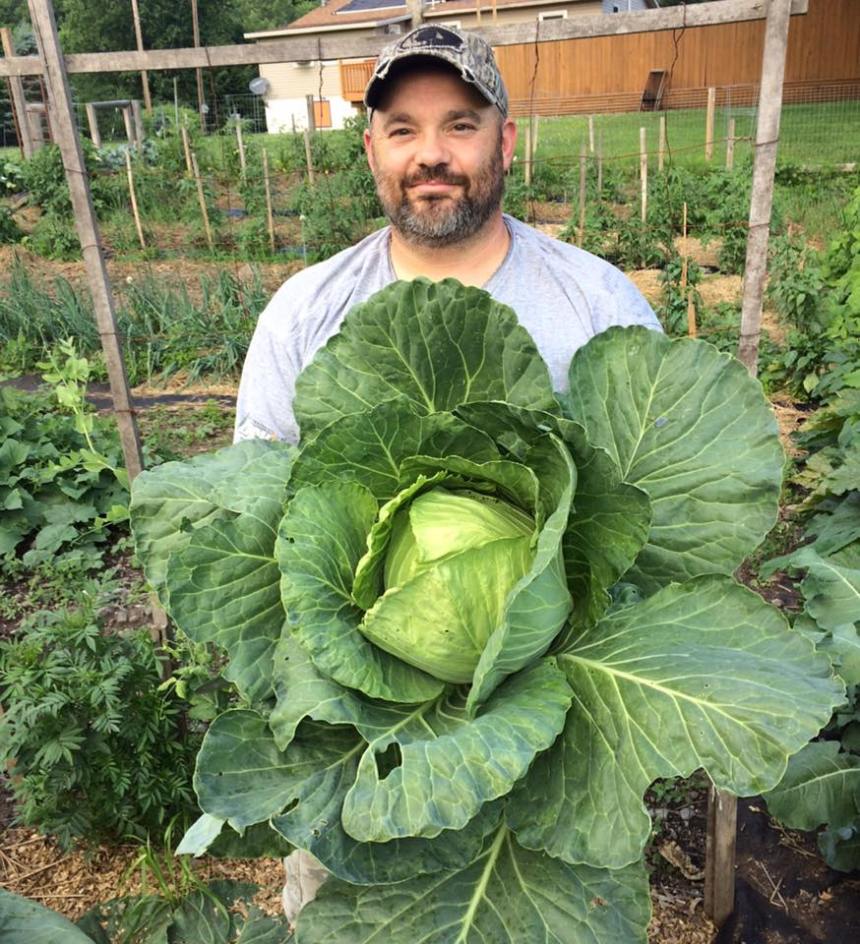

 two branches homestead
Love it
Thank you for reading my article. I hope you found it helpful.
Eamon
https://livefreeoffgrid.com
LikeLiked by 1 person
Amazing idea- I will try it! Thanks Gary!
LikeLiked by 1 person
Awesome !!!!
LikeLike
Thanks for noting this. I’m not growing my large garden anymore, I just don’t have the time, but when I was, and I’d like to do so again, this was a problem I already had. When I resume gardening, I’m trying this.
LikeLiked by 1 person
I have had good luck with it I’m in a cooler climate zone 5b
LikeLike
I’m in 5a.
LikeLiked by 1 person
Then it should work
LikeLike
This is brilliant! I wish more people preserved the knowledge of homesteaders before us. I’m definitely going to try this thank you for sharing!Last year my chickens were the only ones to enjoy our cabbages because of the worms 🙄 can’t wait to give this a try this year.
LikeLiked by 1 person
I’ve had good luck with it I also plant marigolds basil
LikeLiked by 1 person
I’ve planted marigolds but not basil, thanks for the suggestions! I’m always looking for natural ways to help keep down the pests! If only I could find a solution to the squash bugs that didn’t consist of me paying my kids to squash them daily in the summer…
LikeLiked by 1 person
Make sure you leave room for the cabbage to grow out and not overtake the onions I also make sure I make an entire perimeter with the onions
LikeLike
awesome! Thank you for the knowledge! Can’t wait to try once this snow melts off for us.
LikeLike